
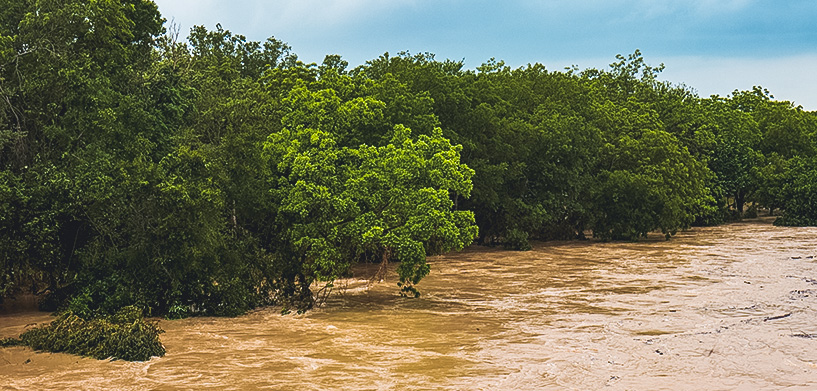
Flash floods are fast, dangerous and often arrive with little warning, and they are increasing in volume and severity. According to the National Weather Service, nearly 4,000 flash flood warnings have already been issued this year, the highest number since 1986. In fact, 2025 is on pace to double the national average for flood warnings in a single year.
That trend is playing out in real time. In the Pacific Northwest, persistent rainfall is overwhelming rivers and infrastructure across Washington and Oregon. Rising waters have forced evacuations, closed major roadways and disrupted power and transportation systems, leaving some communities temporarily cut off as conditions continue to change.
The human toll is already severe. In Texas, recent flooding claimed the lives of more than 130 people, while in Mexico, torrential rains caused deadly landslides that left nearly as many dead or missing. Across regions in Europe, particularly in Spain, communities have faced catastrophic flooding as heavy rainfall continues to overwhelm local infrastructure.
With rising global temperatures and more frequent extreme weather events, flood preparedness is no longer a seasonal priority. It is an urgent, ongoing challenge that requires data-driven insights and coordinated action.
Flooding demands smarter preparedness and faster response
Flooding demands the ability to predict impact zones, direct resources and coordinate responses across multiple agencies. In many cases, outdated systems or disconnected data streams leave emergency teams one step behind a crisis.
Fortunately, Hexagon’s innovations help agencies unify critical information, improve situational awareness and make faster, better decisions before, during and after floods. With integrated data platforms, decision-makers can monitor rainfall patterns, track water levels and map real-time conditions to guide rescue and evacuation efforts.
Predicting and managing floods with smart solutions
In the Netherlands, Hexagon partner IMAGEM developed an app to help field inspectors identify areas with a high risk of flooding. Using geospatial analysis and automation, the app helps inspectors prioritize inspections and focus their work where it is needed most. This efficiency not only reduces costs, but also ensures faster, more proactive flood prevention.
Meanwhile, in the United Kingdom, Ambiental’s FloodWatch engine, powered by Hexagon’s Smart M.App platform, helps emergency managers anticipate floods hours before they occur. The Smart City Dashboard integrates historical, real-time and forecast data to identify vulnerable areas and predict the severity of flood events.
By using satellite and drone imagery, local governments gain the ability to visualize flood progression in real time, plan safer evacuation routes and assess post-event damage with greater accuracy. These tools are proving essential for building more resilient cities and protecting lives in high-risk regions.
AI and analytics for proactive flood response
Artificial intelligence (AI) is redefining how agencies predict, monitor and manage floods. AI models can analyze weather data, topography and infrastructure information to pinpoint high-risk areas before the first warning is issued. When flooding occurs, AI helps agencies allocate resources, prioritize calls and identify blocked roads or bridges that could slow rescue operations.
Integrated with Hexagon’s public safety platform, AI-powered insights give emergency operations centers a clear picture of conditions across jurisdictions. This unified view allows dispatchers, first responders and decision-makers to act with confidence and coordination, reducing risk and improving response time.
By pairing predictive analytics with real-time collaboration, Hexagon is helping communities move from reactive emergency management to proactive flood readiness.
Building the future of flood preparedness
The increase in severe flooding is a reminder that prevention and response must evolve as quickly as the storms themselves. From IMAGEM’s field inspection app to Ambiental’s flood modeling technology, Hexagon’s solutions empower agencies to prepare smarter, act faster and recover stronger.
With advanced AI, integrated data systems and real-time visibility, public safety organizations can better protect infrastructure, ecosystems and communities against the rising tide of global flooding.
Mladen Stojic
Mladen Stojic is the chief technology officer at Hexagon’s Safety, Infrastructure & Geospatial division. A recognized leader and innovator within the geospatial community, Stojic has over 20 years of combined experience across Hexagon companies, including in senior leadership positions. He holds a bachelor’s degree in survey engineering from Ryerson University and a master’s degree in geography from Western University.